Path 1: Peace through talents and work
Peace from
Sports and Arts
Crafts and Technology
Production and Problem-solving
Peace Formation stage
- Solutions / Way out
- Discussion & Decision
- One person as Group
From Conflict to Peace
Conflict to Peace Rehabilitation
COPE Club is DiA's club for rehabilitation, restoring relationships and building peace. We help people and communities move from conflict to peace by building the skills to listen, understand each other, handle differences and find solutions without violence.
Four pillars
It is respectful communication, safety, cooperation, justice, compassion and the ability to solve problems in ways that honour everyone's dignity: for individuals, families, schools, groups and whole communities.
Prevention · Kuzuia
Spotting the signs of conflict early and acting before violence or division grows.
What we aim for: Most conflicts prevented or reduced early.
Education · Elimu
Education on peace, communication, justice, solidarity, listening and non-violent problem solving.
What we aim for: A community with the knowledge and skills to protect itself from conflict.
Rehabilitation · Utengamavu
Helping people and relationships affected by conflict to recover.
What we aim for: Stronger social wellbeing and relationships.
Peacebuilding · Ujenzi wa amani
Networks and long-term action that build trust and solidarity.
What we aim for: A community able to sustain peace.
What we do
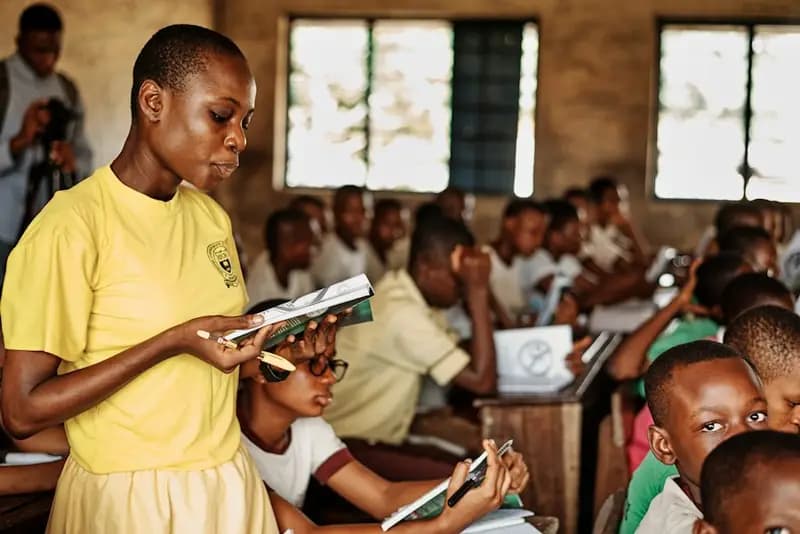
Students learn to listen carefully, express feelings without humiliating others, find the roots of conflict and tackle bullying and discrimination, together with teachers.
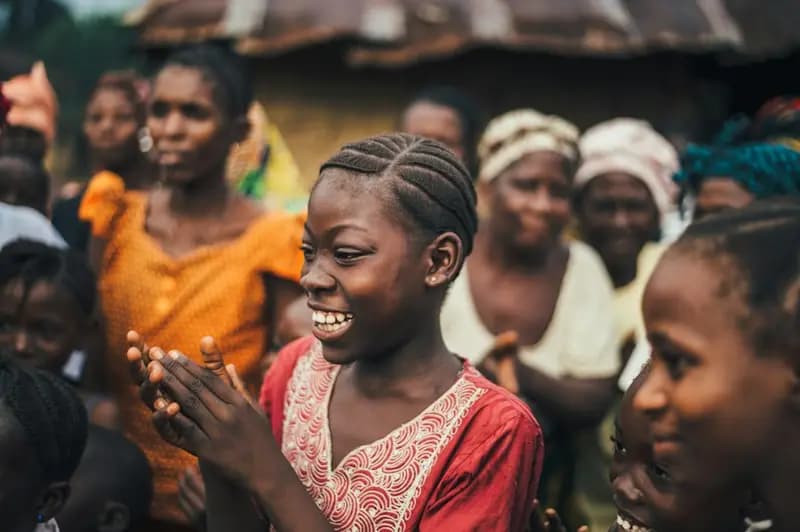
Hearing every side without rushing to judge, separating the problem from the person, finding common ground, and involving a trusted mediator when needed.
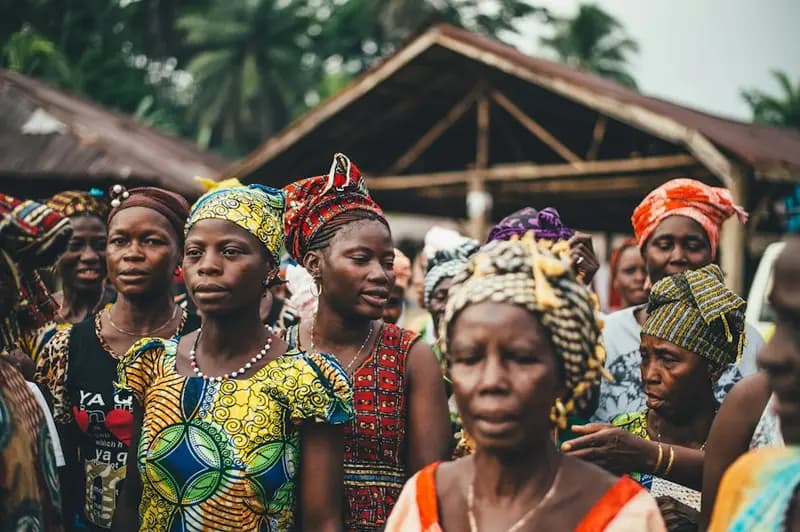
Helping production groups set clear goals, share roles openly, keep records of decisions and settle differences before they disrupt their work.
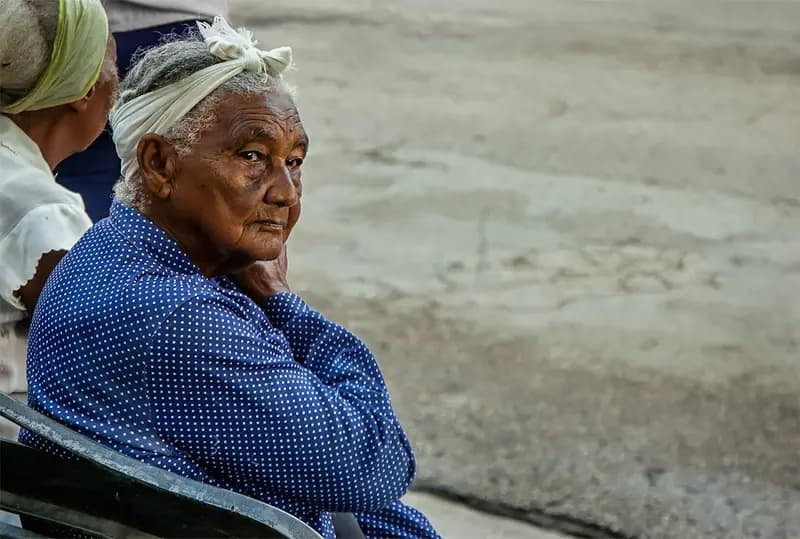
A safe, confidential space to share what troubles a person and be heard without judgement. Where specialist help is needed, people are referred to qualified services.
Who we reach
Where we work
How we work
How we work
Listen
Gather the community's views and challenges without quick judgement.
Identify risk
Understand causes, people involved, tensions and risk factors.
Prevent
Education, dialogue, mediation, awareness and referral.
Support recovery
Restore communication and connect people with the right services.
Follow up
Record results and lessons, and plan the next step.
The COPE model
COPE travels through its work and carries out its tasks step by step, along two paths that meet at one stage: building peace.
Peace from
Sports and Arts
Crafts and Technology
Production and Problem-solving
Peace Formation stage
Peace in the Group
Group
Informal discussions where people gather, such as over coffee, and debates in schools and training centres.
Friendship
People get to know each other, begin to become one, and build understanding between person and person — even nation and nation.
Family and Unity
People form a brotherhood and become one strong household, with a positive outlook and shared decisions.
Peace Formation stage
The final fruit
Raising a generation able to protect and nurture peace, and to seek it wherever it is.
Looking at this COPE model shows how Global Unity through DiAfricana's succeeds: people become one family by succeeding in building peace directly.
Our foundation
Believing in what we are fighting for: resolving conflicts, restoring stability, then finding peace and protecting it.
In our work the challenges are many and discouraging. Hope is therefore a key thing to reflect on as we carry out our work and duties.
This is where intrigue, hatred and hostility arise most easily, to break the first two pillars, faith and hope. If love is thought to be absent — or is present but not recognised or valued — all the work and effort ends up as wasted time.
We must understand these strengths carefully, so that we build peace and resolve our conflicts.
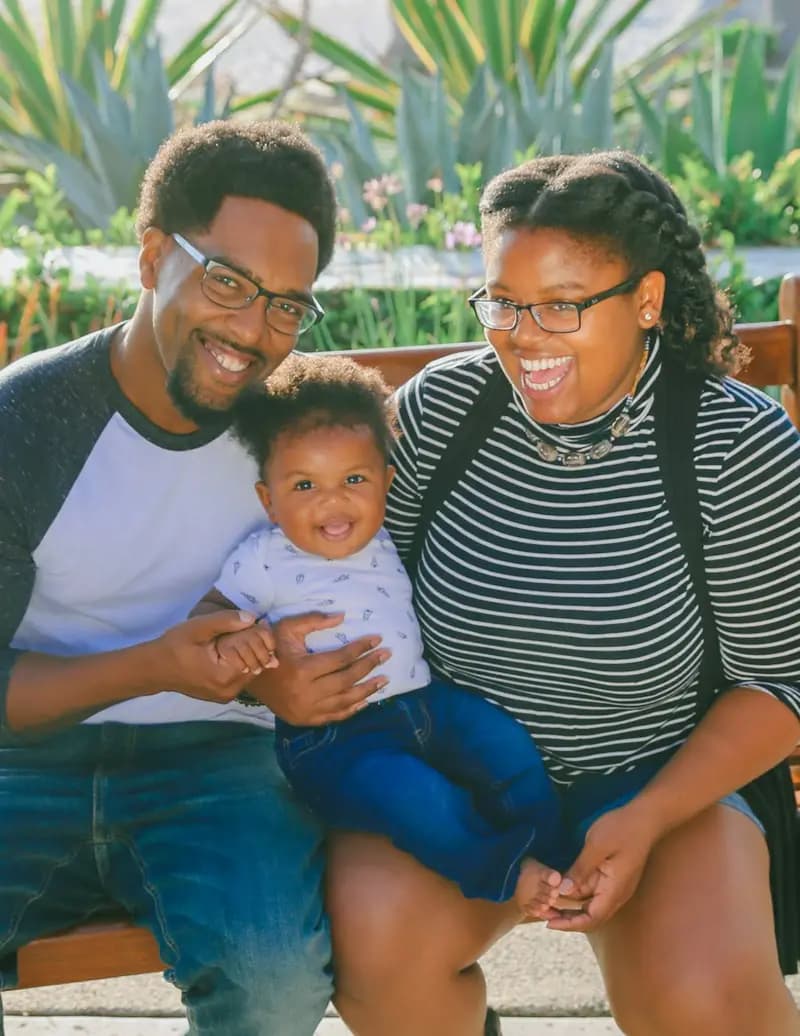
A COPE lesson
Happiness is a necessity for every living being.
For example
Goods in shops are not the sale of happiness; happiness is not a commodity — let us start by understanding that. Everyone should own their own happiness, not have it sold to them or taken from them and then suffer.
Leadership close to the community
Instead of heavy bureaucracy, COPE is led by Prefects from ward to village level. Reports flow up from the field, while training and resources flow down to where the work happens.
Chief Prefect
Ward
Overall coordination of COPE in the ward, setting priorities, supervising Prefects and liaising with DiA's.
Assistant Prefects (2)
Ward
Supporting the Chief Prefect, sharing areas of work and following up activities.
Prefects
Village / sub-village
Leadership on the ground: mobilising, spotting challenges, running education and linking people to services.
Peace partners
Community
Local government, religious and traditional leaders, teachers, youth, women and community groups.
DiA's
Organisation
Policy, training, funding, safeguarding, monitoring and accountability.
Servant leadership
A Prefect leads by serving the community, not by force.
Neutrality
COPE is never used for revenge or to take one side of a conflict.
Confidentiality
Sensitive information is handled in confidence; people who report are protected.
Transparency
Activities, resources and results are recorded and reported.
Limits of our service
COPE Club does not replace health, mental-health, legal or social-protection services. In situations of danger or violence, a person's safety comes first and they are linked to the right authorities.
“Peace to the Creatures of Our World”
“Peace to the World”
COPE Club works closely with CASA under the leadership of DiA's, and welcomes peace partners from around the world without discrimination.
Join as a member, become a Prefect in your village or ward, or give so that peace education reaches more people.